The Name’s Early Origin
Seed Company has a long and rich history, evolving from its founding into the organization it is today. Founded in 1993 as an initiative of Wycliffe Bible Translators USA, Seed Company began as a department called “Partners with Nationals.” The original model focused on funding and supporting Bible translation, beginning with 10 Bible translation projects supported by 10 financial partners.
The approach addressed a practical limitation in traditional missions work. Scripture translation across thousands of language communities could not rely chiefly on outside workers learning every language and culture from the beginning. Local translators bring essential linguistic knowledge, cultural understanding, and long-term commitment to their communities. Their leadership remains central to accurate, trusted translation work.
The name “Partners with Nationals” clearly described that priority, yet it created another challenge. Seed Company’s founder, Bernie May, who helped lead early conversations around the new name, learned from his friend Chuck Bennett that the phrase closely resembled the name of Bennett’s mission organization. He began discussing an alternative with stakeholders.
Bernie May had been using the phrase “The Seed Company” as early as 1995, before the organization was formally incorporated under that name. He traced the idea in part to Wycliffe’s mid-1990s Urbana branding, which used the phrase “Wycliffe Bible Translators—The Seed Company.” By 1998, he was explaining how the new name captured the essence of Bible translation while also signaling a different way of organizing the work.
The Word as Living Seed
The biblical imagery behind the name was Bernie’s primary emphasis. In the Parable of the Sower, Jesus describes seed falling into different kinds of soil. The seed represents the Word of God, and its fruitfulness depends on how it is received.
This imagery gives the name its weight. A seed matters because it carries life within it. Planted in good soil, it has the capacity to grow and bear fruit. Scripture carries God’s truth, comfort, instruction, and hope into the real conditions of human life.
The seed metaphor also points to patient investment. A seed is planted with care and given time to grow. In the same way, Bible translation requires intentional stewardship, sustained partnership, and a willingness to invest in communities still waiting for Scripture.
What the Name Means in Practice
People are often intrigued by the translation process and how it has evolved over the years. Our name also reflects the steady, collaborative nature of Bible translation. Progress can accelerate as local leadership, partnerships, and appropriate technology strengthen the work, but each project requires time, care, and community participation.
The answer to “How long does Bible translation take?” depends on the language community, the scope of the work, available resources, and the formats people will use. Launching a project can take roughly six months to two years as local relationships are built, language needs are assessed, partners are identified, and plans are developed.
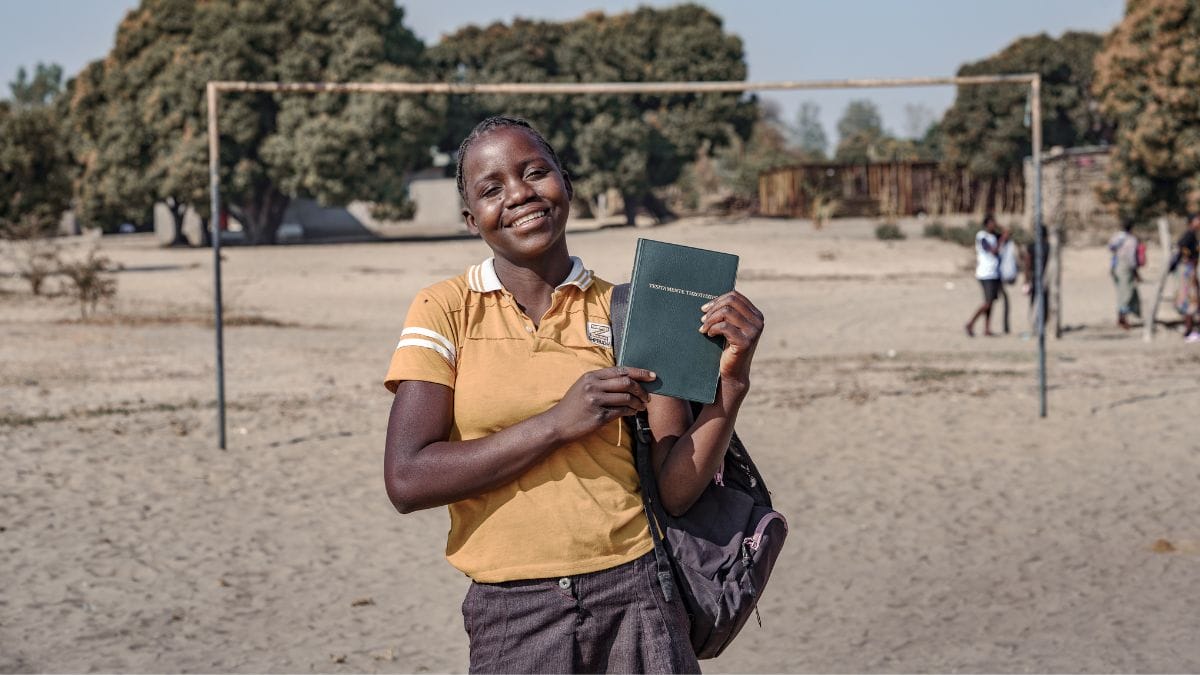
“Seed” keeps the focus on the core mission of making Scripture accessible to people in their heart language, so they can encounter God’s Word, grow in their knowledge of it, and engage with it. “Company” reflects the organization of the shared effort required to move translation forward: local leaders guiding the work, translators and reviewers serving their communities, churches praying, and supporters investing in projects.
Together, those ideas capture what Bible translation is ultimately about. It is not simply a race to finish the text, but a long-term investment in people. The timeline may change as technology, partnerships, and local leadership strengthen the work, but the purpose remains the same: to see people encounter Scripture in the language they know best.
Join the Work
You can participate by praying for translators and families awaiting Scripture, giving toward Bible translation projects, and staying connected to progress toward All Scripture, All People.