Along the banks of the Zambezi River in central Mozambique, approximately 1.5 million people speak a language called Sena. They are primarily farmers, living in one of the most cyclone-battered regions on earth. Their country, Mozambique, is home to 41 indigenous languages, yet its official language is Portuguese, a tongue that, for most Sena people, is not the language of their heart.
That distinction matters more than it might seem. Language isn’t just communication. It’s belonging, identity, and for millions of Sena believers, it’s the difference between hearing about God and hearing from God in a way that lands deep in the soul. When an elder in the village of Muanza heard the New Testament read aloud in Sena for the very first time, his response captured everything: “So God also speaks Sena?”
A People Between Two Worlds
The Sena carry a rich but complex spiritual heritage. Traditionally, they have believed in ancestral spirits as mediators between the living and God, a worldview so embedded in daily life that practices like pouring flour on the ground to seek the ancestors’ guidance remain common. Many Sena are also Christians, holding both belief systems in tension. It is precisely into this context that the book of Isaiah speaks with unusual power, pointing unmistakably toward Jesus as the one true mediator. As one translator put it, Isaiah effectively silences every other hope: “Jesus is the only ancestor and mediator, yesterday, today and forever.”
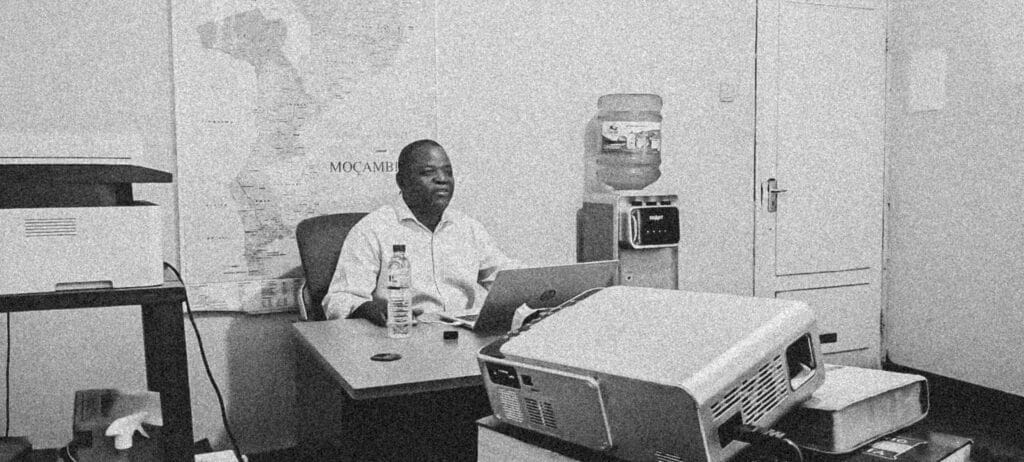
Decades in the Making
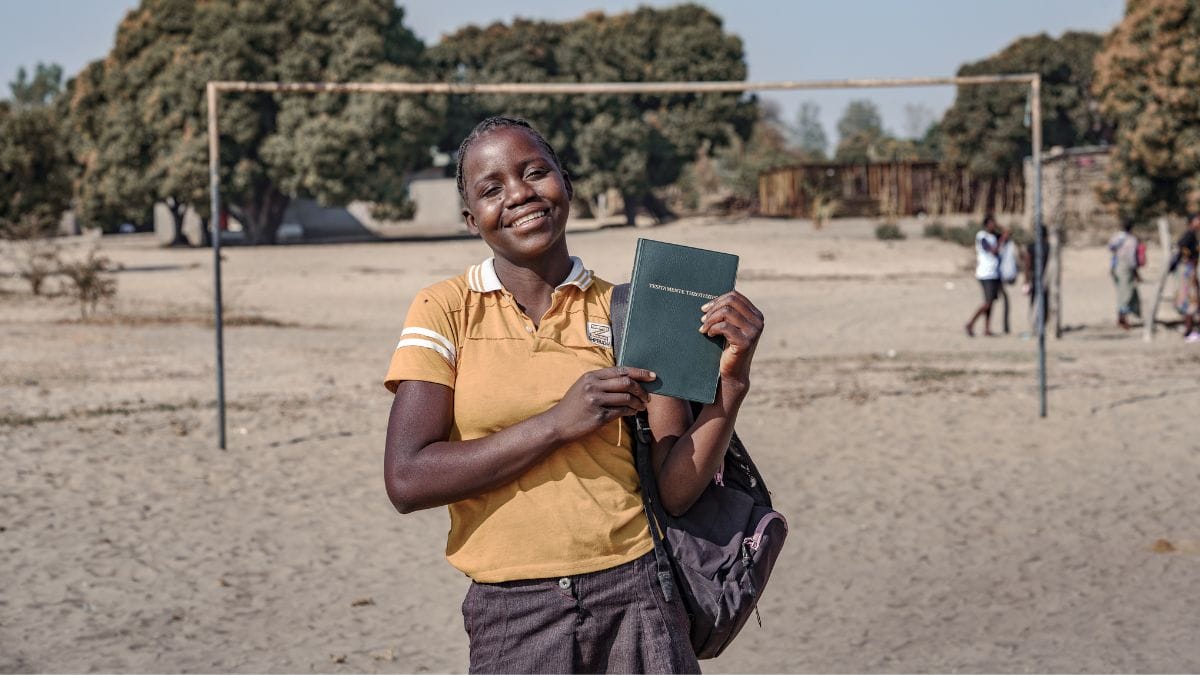
The Sena Bible Translation Project is a multigenerational undertaking. After decades of foundational work across multiple phases, the New Testament was completed and dedicated in 2015, a milestone that sent ripples through communities across the region. One translator, Luís, recounts doing door-to-door evangelism in Marromeu when he and his team ended up at the home of a traditional healer. When John 3:16 was read first in Portuguese and then in Sena, the man was overwhelmed. “Does a Bible exist in Sena?” he asked. Luís gave him his own copy, purchased at the 2015 NT dedication. Today, that man follows Jesus.
The current phase, running from 2023 to 2026, focuses on translating the Old Testament, bringing the project to its ultimate goal: a complete Bible in Sena for the first time in history.
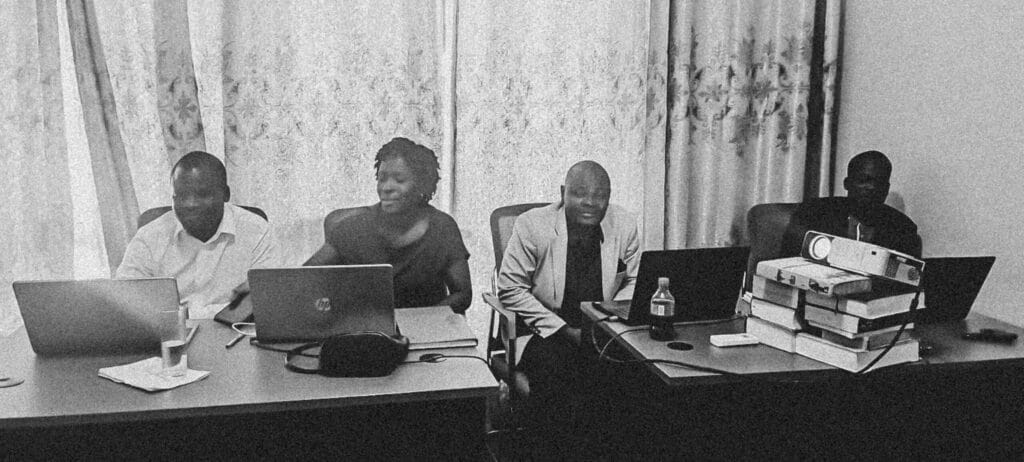
The People Doing the Work
The translation team is made up of Mozambicans, many who gave up other careers to answer this call. One came from IT while studying theology and turned down a job paying three times more to stay in translation work. Another was a former timber vendor, the only woman on the team, driven by love for her own language. A third was a teacher who had been teaching children the Sena language, and joined the project because he wanted to see the Bible in Sena with his own eyes.
Their prayer requests are simple and telling. One team member’s sole request was this: that the complete Bible gets finished. That’s all he asked for.
The Sena are waiting. And the work continues.