How Genesis 1:27 Overturned a Lifetime of Expectations
She grew up silent.
In Maklang’s* country, women come second. Tradition tells them to keep quiet, to be a servant in the home, to never question their husband’s authority over them. Society contorted Maklang’s heart into learning this message: that she is unworthy to be heard and incapable of making any meaningful contribution in her community.
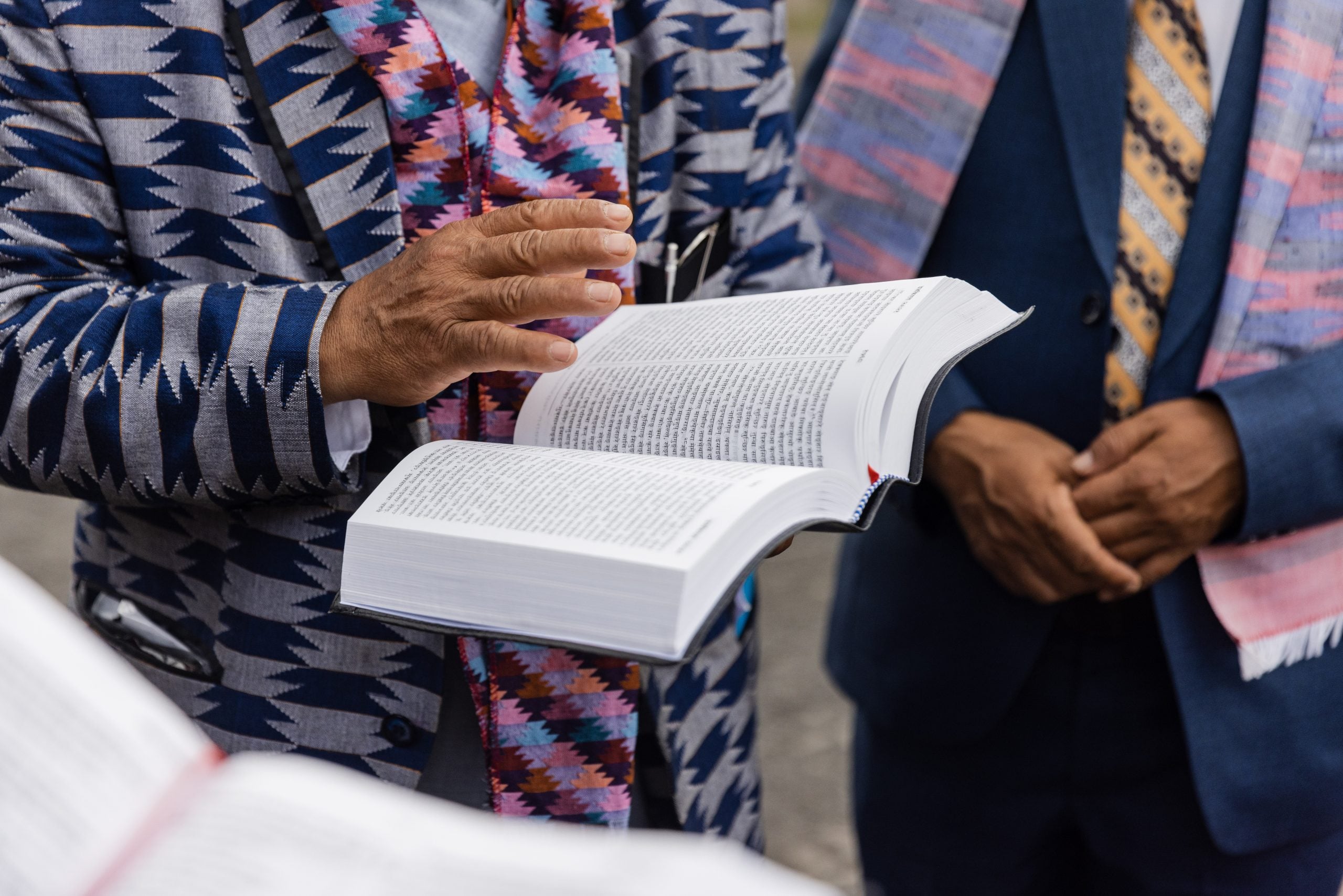
Only an estimated 4,000 people speak Maklang’s language. In 2022, they received a full translation of the New Testament. But Bible translators didn’t stop there. Today, they’re still working to translate Old Testament books.
Were the stories of Jesus and the early church not enough?
Why do we want all Scripture for all people?
Because every verse matters.
For Maklang, it was Genesis 1:27.
“So God created human beings in his own image. In the image of God he created them; male and female he created them” (NLT).
That single verse, she said, reshaped her identity. It dawned on her that God made woman in His image too. She is not less. She’s equally valued by the universe’s Creator; she’s a daughter of God, worthy of care.

Change started with her.
The culture around Maklang didn’t change in that moment, but she did, because of God’s Word. She became a leader among local women. Silent wives and mothers began gathering each week to read the Bible in their language, and Maklang taught them how to see their value through a biblical lens.
She raised her children to believe that boys and girls are loved by God the same. Now, she’s shaping society, not the other way around. Translated Scripture introduced her to a heavenly Father who gave her the courage to speak out.
Maklang’s story is one of countless women in Asia facing marginalization and oppression. If the translation of a verse like Genesis 1:27 can change one woman’s heart, what could all Scripture for all people do?
*Pseudonyms used to protect Bible translators in sensitive regions.