How translated Scripture is challenging misconceptions about God.
“And in Antioch the disciples were first called Christians.” — Acts 11:26b (ESV)
Around the world, misinformation about Christianity is shaping lives. Without Scripture, we can only define religion on our own terms. And that leads to distorted views of God.
Bible translation is now unlocking access for people in the hardest-to-reach places so they can go directly to the source of truth themselves.
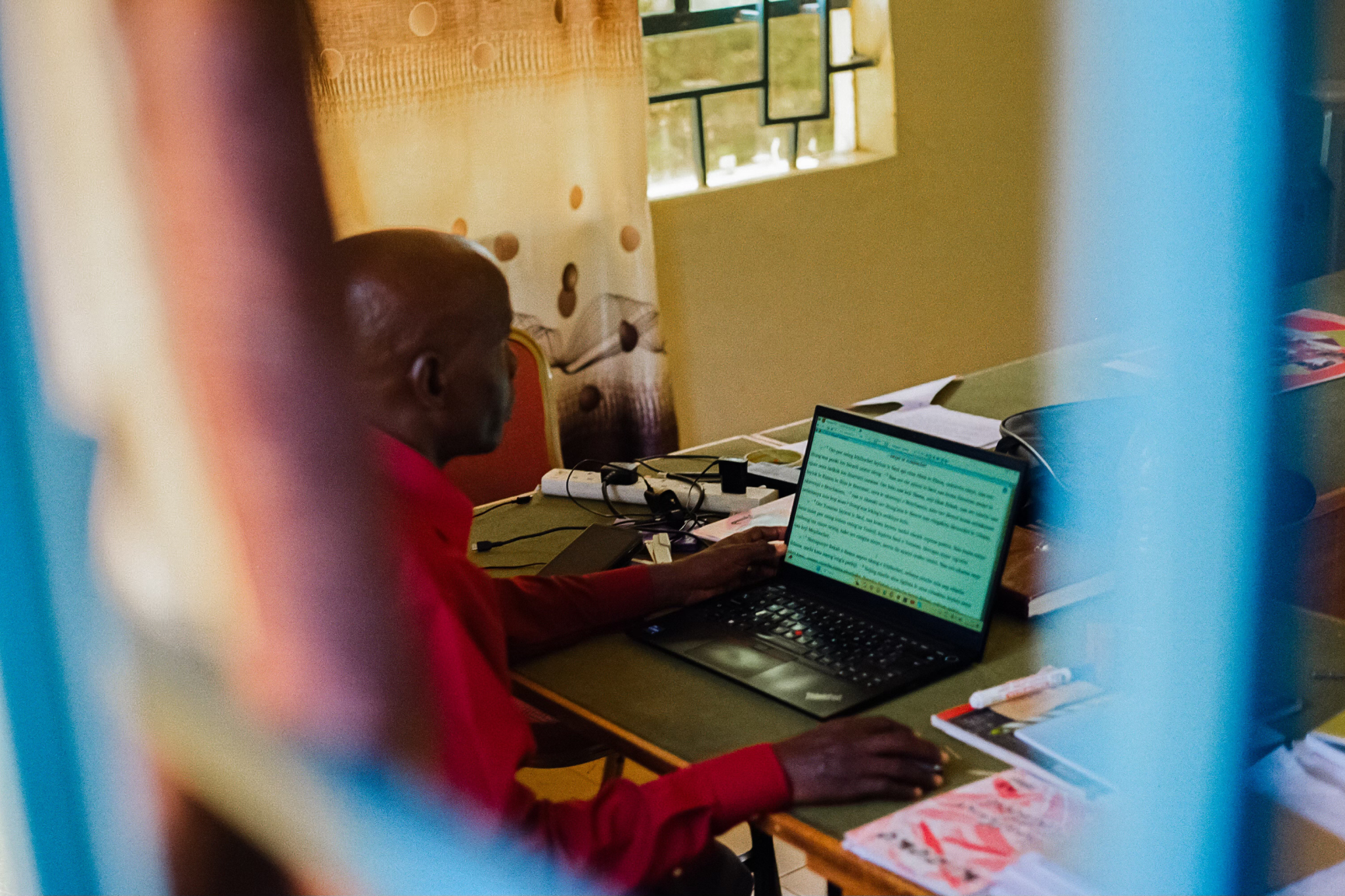
In the Middle East, a young Muslim man named Ali* gives feedback on Scripture translated into his language. He was stunned by Acts 11:26—“In Antioch the disciples were first called Christians”—because it challenged a long-held assumption:
“Until now, I thought Christianity was born out of the West,” he told a translation team member.
The team member explained that Christianity was actually born closer to Ali’s own homeland than to the West.
Not a “God of the West”
Without Scripture in their language, many people are under the illusion that the God of the Bible is a Western idea—with a Western holy text. Imagine the revelation of a Middle Easterner reading it in their own language for the first time and discovering the truth: Jesus was born in the Middle East, in a culture similar to their own. He is a God who speaks every language, and He cares enough to speak through His Word. To all of us.
Ali is discovering that Christianity is not a Western religion or an Eastern religion. It’s an invitation to know Jesus, the God who became flesh not far from where he lives. Because of Bible translation, he has access to the good news that can bring great joy to all people—not just people from a certain region.
“Suddenly, an angel of the Lord appeared among them, and the radiance of the Lord’s glory surrounded them. They were terrified, but the angel reassured them. ‘Don’t be afraid!’ he said. ‘I bring you good news that will bring great joy to all people.’” — Luke 2:9–10 (NLT)
This Christmas, pray that Bible translation will introduce more people like Ali to this precious truth of the gospel: Jesus came for every person, and He is seeking to know them.
*Pseudonym used to protect people in sensitive regions