How do you follow Jesus without His words? The Notsi story.
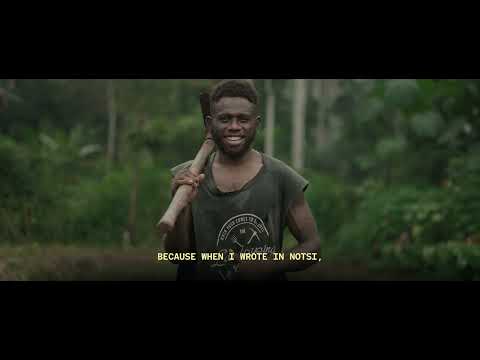
Thirty-nine years. That’s how long they waited to hold the New Testament in their hands.
Off the eastern coast of Papua New Guinea’s main island lies New Ireland, where the Notsi [NOH’–CHEE] call home. They’re gardeners, farmers, and fishermen, dependent on the land and rain. Just 2,000 people speak their language, and before the 1980s, the Bible hadn’t reached them yet.
The gospel had, though, because of missionaries who came in the 1800s. Since then, islanders with English Bibles have struggled to sort out what it means to follow Jesus in light of the supernatural powers they grew up believing in.
If their child gets sick, who do they pray to? The spirits they were taught to appeal to through rituals, or this Christian God they’ve been told of? There was no translated Scripture to light the way.
Yet despite the odds, many Notsi people learned to have faith in Jesus and rely on Him daily, not just for their spiritual needs, but physical ones too. Their reality drives them to depend on Christ in a way many Western Christians may never understand.
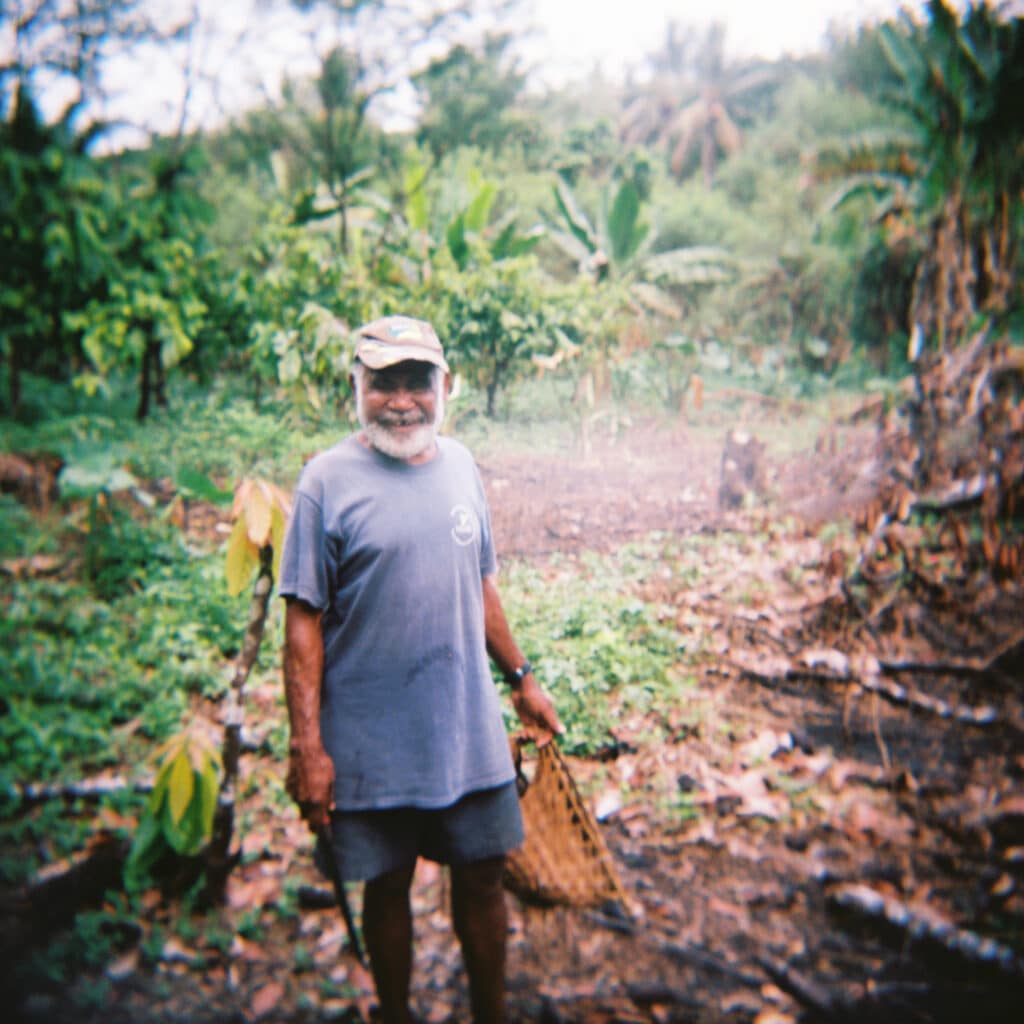
Western Christians and Notsi believers partner together.
But in 1986, two Western Christians, Lee and Laurinda Erickson, started translating the Bible into Notsi. Health issues interrupted the project, but many years later, in 2009, the work continued with literacy and translation experts Kevin and Gertrude Nicholas. They partnered with Notsi-speaking translators Wesley, Shirley, and Lynette, who knew their own language better than anyone and wanted their people to have the Bible.
Together, after nearly four decades of waiting and many decades more of Notsi people following Jesus without Scripture, they finished the New Testament. The accounts of Jesus’ life, the stories of the early church, and the letters of the apostles were finally translated into Notsi.
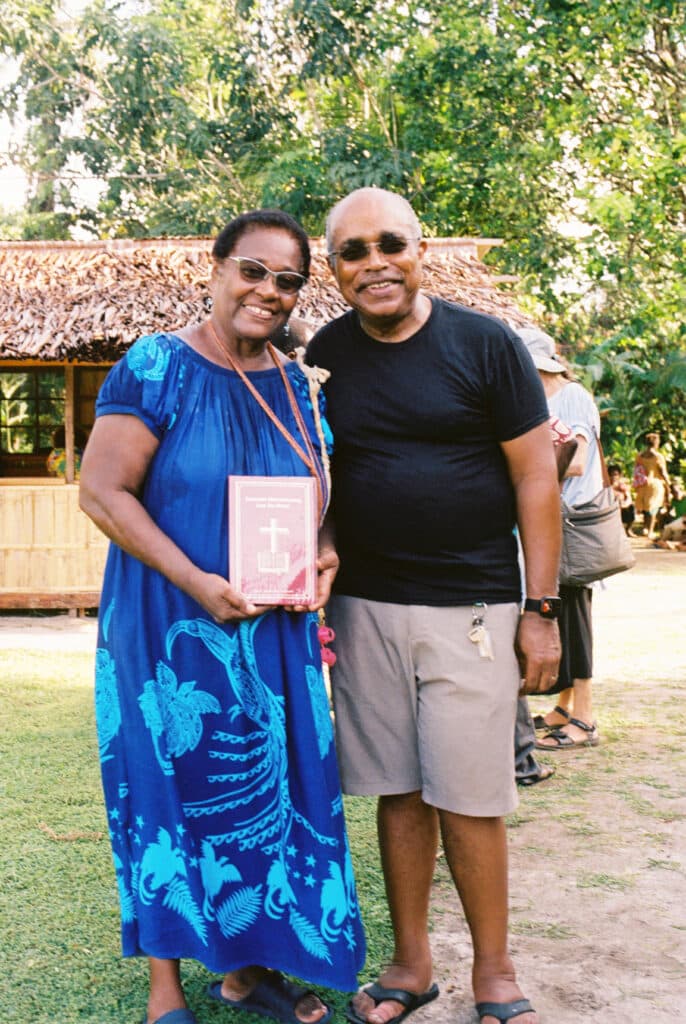
No more waiting. The Notsi celebrate the New Testament.
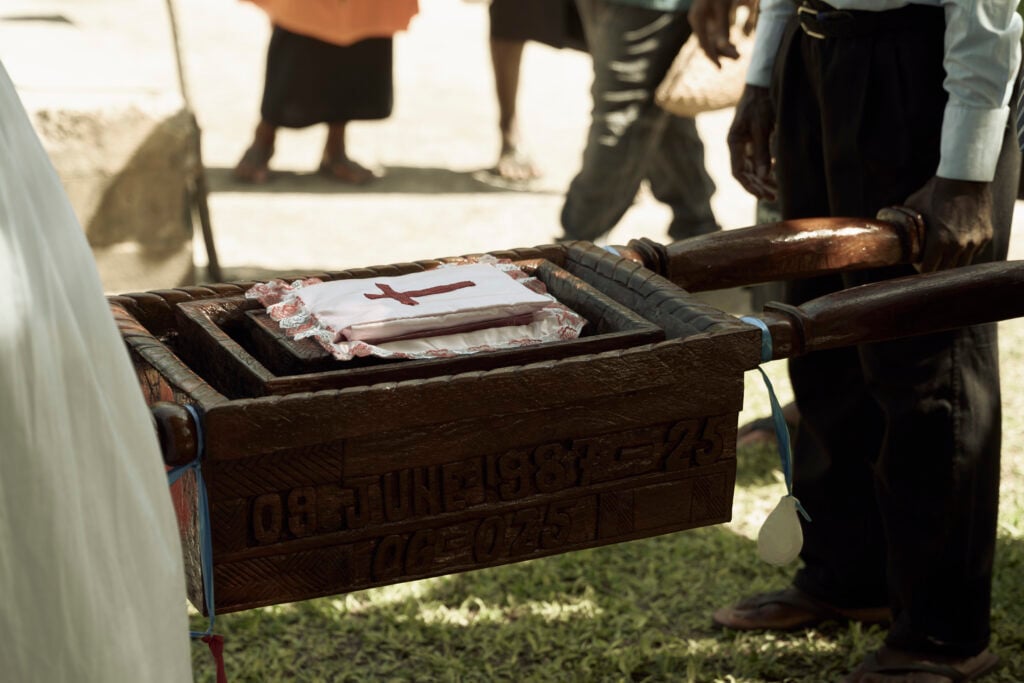
A party erupted on June 25, 2025. A parade made its way to the local church with copies of the New Testament packed in an ark.
A young man stopped those leading the crowd and asked, “Gim xaalame ngali sa?” (“What did you come here for?”)
The leaders replied: “Gelu xaal ngali tali Inesaait Mamainaang sin gim.” (“We came to give you the good news.”)
So what does it mean now for the Notsi people to have the New Testament in their language? Don’t take my word for it. Take theirs.