Kids are natural linguists. Long before they can read, they’re already cracking codes: figuring out that “mommy” gets a different reaction than “no,” learning that the same word can mean different things depending on the tone behind it, noticing when grown-ups switch languages at the dinner table. Language is one of the first puzzles a child ever solves.
That instinct is the very same instinct God uses in Bible translators all over the world. When your child plays with language, they are practicing similar thinking patterns that allows a translator to take the Word of God and carry it faithfully into a language it has never lived in before.
The Science Behind the “Kid Advantage”
Scientists call it the critical period. From birth until roughly puberty, the brain holds an unusually high level of plasticity for language, especially for picking up native-like sounds and pronunciation. A child’s brain is simply wired, in a way an adult’s is not, to absorb the music of a new language and reproduce it with startling accuracy.
Kids extract and apply hidden grammatical rules much more quickly and unconsciously than adults. While adults are still studying the rulebook, kids are already speaking the language.
This is a beautiful design. God built young minds with an extraordinary capacity to receive language, the very thing Bible translators spend their lives working with. When your child plays a language game at the kitchen table, they aren’t just having fun. They’re operating inside one of the most powerful learning windows a human being will ever have.
As you think about language with the kids in your life, you can also tie it into work that God is doing around the globe in Bible translation. Here are a few simple activities your family can try to dive deeper into language with your kids.
1. Play the “Same Word, Different Word” Game
Pick a simple, meaningful word like “love,” “family,” or “home.” Ask your child how they would explain that word to someone who had never heard it before, using only other words, no pointing allowed. Then ask: What if that person’s language didn’t have a word for love the way we mean it? What would you do?
This game introduces, in a very kid-friendly way, one of the real challenges translators face. Words rarely move in a perfectly straight line from one language to another. Sometimes there isn’t an equivalent word at all, and a translator has to find a phrase, a story, or a new way to communicate the same true meaning.
2. Try Translating Without Translating
Give your child a short, simple sentence, maybe “God made the stars,” and ask them to act it out using only gestures, no words at all. Then talk about what was hard. What got lost? What did they have to add with their face or hands to make it clear?
This is a playful way to help kids understand that translation is never just swapping one word for another. It’s about communicating real meaning across a real gap, something Bible translators do with care and prayer every single day.
3. Build a Family “Heart Language” List
Sit down together and make a list of words your family uses that feel especially personal: nicknames, inside jokes, the specific way your family says “I love you.” Talk about how those words carry weight because of the relationships behind them.
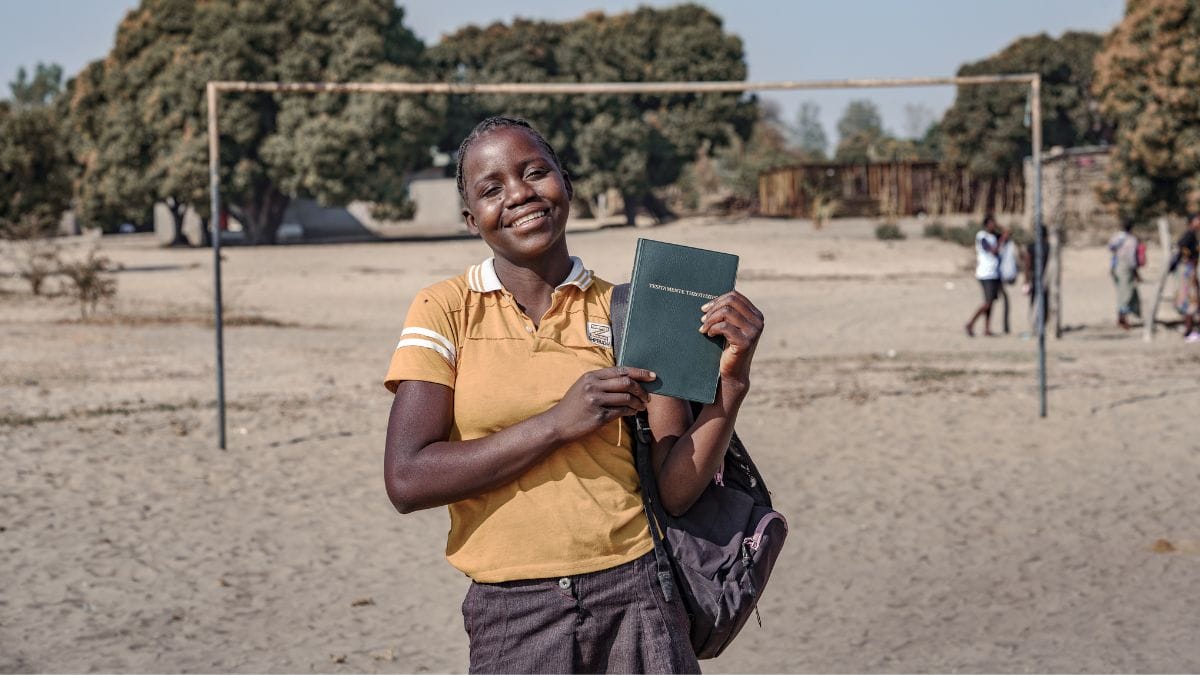
Then explain that for millions of people around the world, the Bible has never existed in their heart language, the language that carries that same kind of weight and warmth for them. Help your child imagine what it might feel like to finally hear “God loves you” in the words that feel most like home.
4. Listen to a Language You’ve Never Heard
Find an audio clip of a language your family has never encountered (there are wonderful, family-safe resources online). Just listen together for a minute. Notice the rhythm, the sounds, the music of it. Ask your child what they noticed.
This builds awe. There are more than 7,000 languages in the world, and every single one of them is capable of carrying the truth of who God is.
5. Write a Prayer
Help your child write a short prayer for a real Bible translator, asking God for wisdom, patience, and joy in their work. Keep it simple. Kids don’t need theological precision to pray with power.
Bonus! Keep the Discovery Going
We believe these moments of curiosity are just the beginning. That’s why we’re excited to share that special Family Activity Kits are coming soon, designed to help your family explore language, prayer, and Bible translation together in even deeper ways.
Because the next generation of Bible translation advocates might just be sitting at your kitchen table, sounding out their first words.
Curiosity Is the Beginning of Compassion
These activities are small, but they build something lasting: a child who understands that language is a gift, and that the people who carry God’s Word into new languages are doing holy, careful, beautiful work.
The next time your child mixes up a word or invents a silly language of their own, you’ll have a new way to talk about it. Every little linguist is one step closer to understanding the very real, very global work of Bible translation.
Join us as a Canopy Member to get access to these family activity kits!