8 Steps Translators Follow to Maximize the Impact of Scripture in Any Language
Bible translation is far more than trading one set of words for another. It’s more like a story unfolding in real time as God breathes out His precious Word to a language community receiving it for the very first time.
That story always begins with people. People like the 60,000 Kuluso Tabaso speakers who build their villages against the edge of a rugged outcropping of mountains that were once a breathtaking destination for visitors. Several years ago, however, security issues shut down tourism and took a heavy toll on the local economy.
Today, the land is not only dangerous for tourists but also for about 3,000 people who profess Christ in Tabaso. They know all too well the cost of abandoning the region’s dominant world religion. The church became their only family for safe housing, food, friendship, and fellowship.
Then and now, people like the Kuluso Tabaso desperately need God’s Word to equip and strengthen them, but its faithful telling can only come through proven processes. Consistently following best practices ensures that the Scripture people receive is accurate based on original texts—and expressed in ways that are clear, natural, and acceptable to the community. Let’s walk through the steps Tabaso translators took in the early 2020s to bring their people the first book of Scripture they could read and hear in their language.
1. Launch
Before a single word is translated, leaders from organizations like Seed Company, regional partners, area churches, and linguists confer with locals to identify their greatest need. Communities then determine the best place to start: portions of Scripture or books that connect well with their majority population, a particular social need, or Jesus’ life, for example. The Tabaso chose the Gospel of Luke.
With a target in mind, these groups then work out clearly defined timeframes, outcomes, milestones, and budgets. They recruit translators and line up training workshops, places for them to work, technology needs, and support systems. Finally, with everything in place, the project is ready for liftoff.
2. First Draft
Along with their own language, translators usually know a language of wider communication. Because Tabaso team members knew both French and English, they were able to reference these reliable translations through Paratext—the world’s leading software application for translating, checking, and revising the Bible from the original text into the languages of the world.
Every day, they worked through words and passages, analyzing each one for meaning. But word-for-word translation was not enough. They wrestled with concepts like holiness, justification, and heart to find words or phrases that concisely captured each one’s essence in their language. They were fortunate in that their own culture and customs were similar to those of the early Jews as depicted in the Bible. For some teams, the culture gap makes certain passages and parables hard to translate for their own people.
Another gap that frequently exists is one of faith. Tabaso translators were Christians, but it’s not uncommon for those who adhere to other religions to be hired to do the work and, in the process, choose to follow Jesus!
3. Team Check
Once first drafts are complete, team members go over their work, sometimes involving others in the community who might have theological or linguistic expertise. Healthy discussions about word usage or biblical meanings sharpen the thinking behind these drafts; each verse is tested to uncover different perspectives and deeper understandings, often improving accuracy and clarity.
4. Community Testing
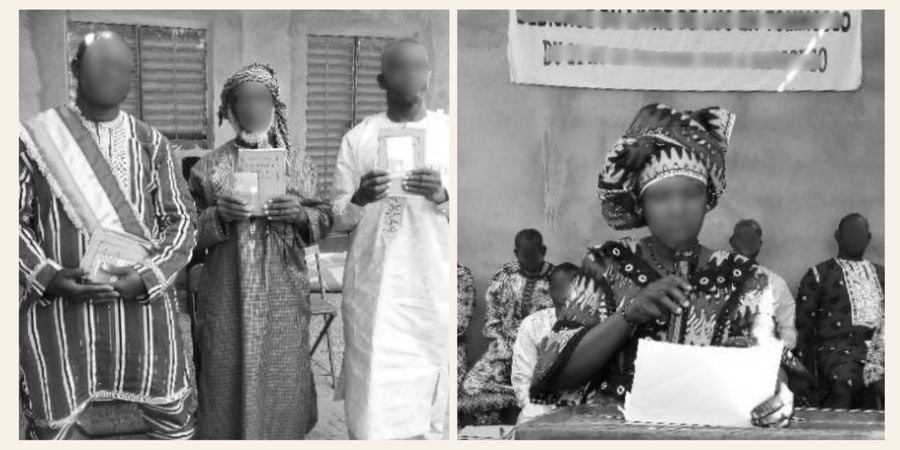
The real measure of a Bible translation’s success is how well the language community understands and applies it. This step sometimes involves travel as translators seek out volunteers from the community to provide feedback about the work’s clarity and naturalness. By sharing drafted Scripture and asking questions, they learn where their work is well understood and where it needs clarification.
Many times, these sessions also motivate translators to work with renewed urgency. On one trip, a Tabaso man told the team, “Now I understand the Word of God better than I did before, but my concern is, How long until will we have this Word in our hands, since I am so old? Many like me are waiting impatiently for this true Word of God in our language.”
Fortunately, people don’t have to wait for final publication! Trial copies of Scripture portions in print and on digital apps are made readily available while the translators continue to work through their team’s goals.
5. Back Translation
So far, translators have checked their work with each other and with the community. As far as they know, all is well, but how can they know for sure that it’s accurate and true to the original languages?
They need a translation consultant, somebody with specialized knowledge, to review it. But he or she might not know their language, so a team member must translate their work back into a language of wider communication that the expert understands. For the Tabaso, that language was French.
6. Consultant Check
Using the back translation, a translation consultant is now better equipped to review each verse and ask questions. They communicate directly with the translators, either in person or remotely, to finalize a translation that is accurate, clear, natural, and acceptable to the community.
7. Publication
Publishing can look different depending on the type of translation work completed. The Deaf receive sign language translations in a video format. Oral cultures get audio recordings. For translation methods based on telling Bible stories, the medium is the storytellers themselves!
For most cultures, however, a written form of Scripture signifies the importance of what they are receiving. Some teams specify certain scripts, page arrangements, notes, illustrations, maps, or covers they know will appeal to their language group, especially for full Bibles or a New or Old Testament.
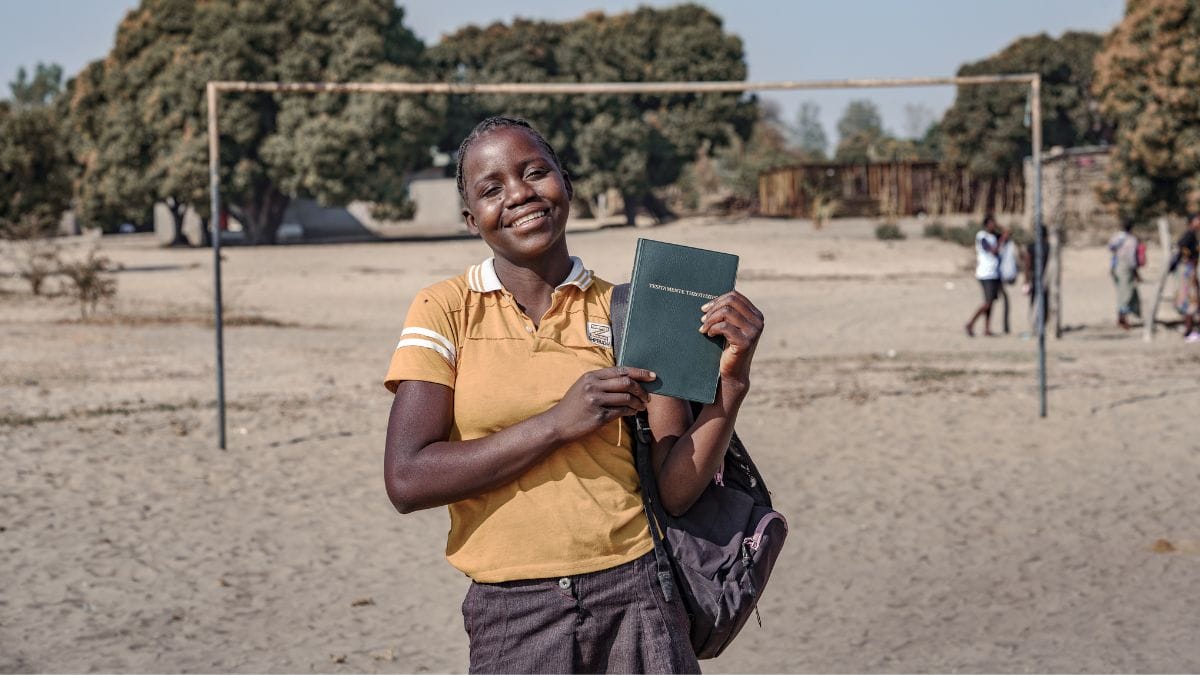
The Tabaso team expedited their first book by keeping it simple—no elaborate page designs, just straightforward Scripture on paper. A partner organization’s budget allowed them to print 100 copies. In addition, the team produced 150 SD cards containing an audio recording they made of the translation.
8. Distribution and Celebration
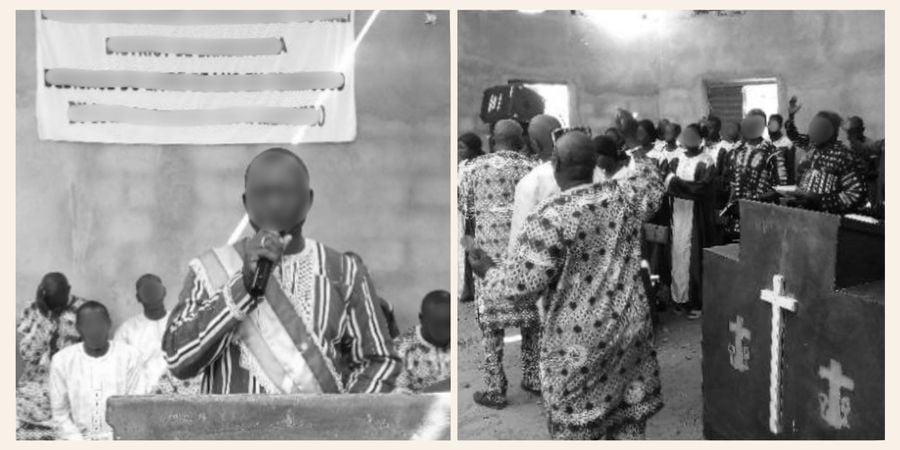
With all the previous translation steps completed, a day of rejoicing is scheduled to introduce God’s Word to the entire community! Church and civic officials speak, and people eagerly gather to listen to Scripture. Worship through song and even dance is central to the celebration as people express appreciation for Scripture in their heart language.
At the Tabaso dedication, people immediately claimed every one of the printed copies of Luke and more than half of the audio recordings.
Lasting Impact
Even before Luke was distributed and celebrated, the Tabaso team was circling back to the first step of the translation process. With new goals for more Scripture and budgets in place, they started translating again.
That’s how the iterative translation process works, applied time after time to realize God’s ultimate promise: all Scripture for all people. Not just Scripture delivered, but Scripture opened and applied.
Tourists might fear coming to the Tabaso homeland these days, but that has not kept Jesus from entering their midst. He is accurately telling His story through their words—thanks to faithful translators following a proven process.