How Two Deaf Girls in Sierra Leone Found Belonging
Deafness is a curse—or so it is believed in many cultures. It’s no different in Sierra Leone, where Josephine and Mariama have grown up without Deaf access to the Bible.
When Josephine lost her hearing at age five, her parents sought help from both pastors and divination, desperate to restore her hearing.
Mariama tells a similar story. Interacting with hearing people was always a struggle for her; she was an outsider even in her own family.
Both attended a Deaf school in Freetown, where they learned Sierra Leone Sign Language. Being able to communicate gave them a profound sense of belonging they’d never known before. “In the Deaf school, I felt loved,” says Mariama.
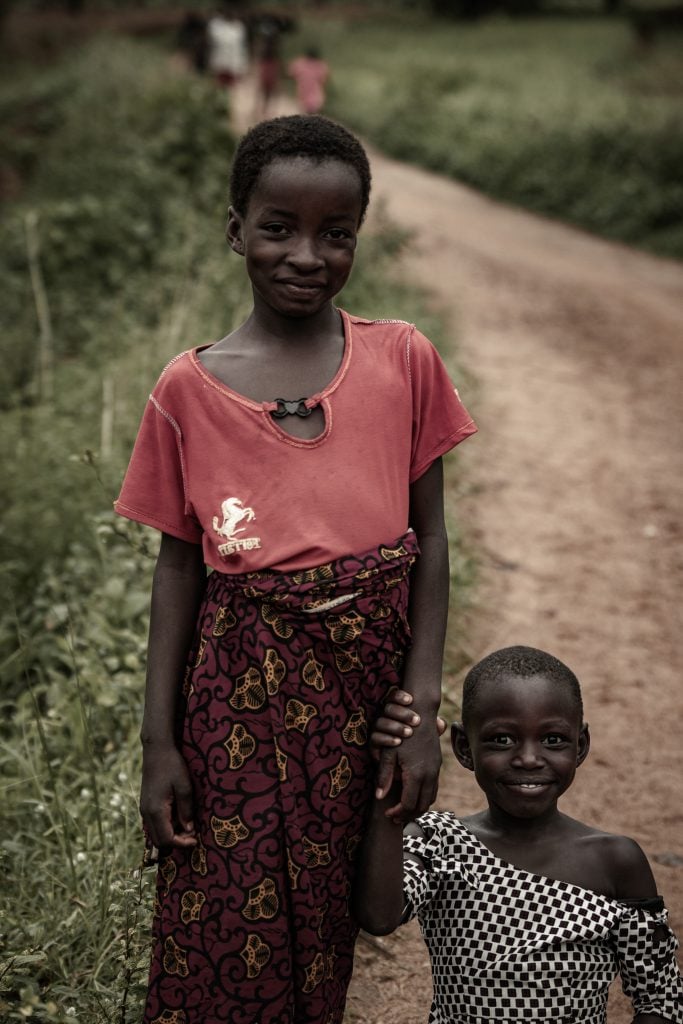
At age 15, Josephine began attending a Deaf church. She worshiped and prayed in sign language together with other Deaf Christians. Still, she found it difficult to grow in her faith because there was no Bible in Sierra Leone Sign Language. Learning to sign had made the difference between alienation and belonging, but she struggled to find that same belonging with God.
This is the experience of far too many Deaf people in Africa and throughout the world. But Bible translation into sign language—made with video recordings of people signing the words of Scripture—is beginning to change this.
“Today, I see the Bible being translated into our own language,” says Josephine. “I believe it will help me to learn and know more about God and communicate with Him by myself.”
Why Can’t Deaf People Read the Bible?
So why can’t the Deaf just read a written Bible? Many people don’t realize that signers learn to think in ways that are vastly different than hearing learners. Sign languages are not simple one-to-one correlations of written words to hand signals. Deaf communication is an entirely different way of communicating, involving facial expressions and body language beyond just words.
A Deaf man named Paul got to the heart of this when he gave translation feedback to Sierra Leone Sign translators. He said that the visual language should inspire a sense of wonder, like what people who read Scripture experience. After seeing the Genesis creation narrative with its vibrant images translated into Sierra Leone Sign Language, Paul encouraged translators to use meaningful facial expressions and signs that evoke awe and reverence. He added that signing should reflect not only the literal words, but also the spiritual significance behind the narrative.
In Mariama’s words, “Seeing God’s Word translated into our own language makes me happy and helps me understand God’s Word better.”
Getting all Scripture to all people must include the Deaf, who relate to others and to God most comfortably and naturally through their own unique sign language.