Why Every Language in Kenya Needs the Bible ASAP
If you Google “What’s the religious landscape of Kenya?,” you’re likely to find an encouraging statistic: around 85% of Kenyans are Christian.
But what does that really mean? And is it true?
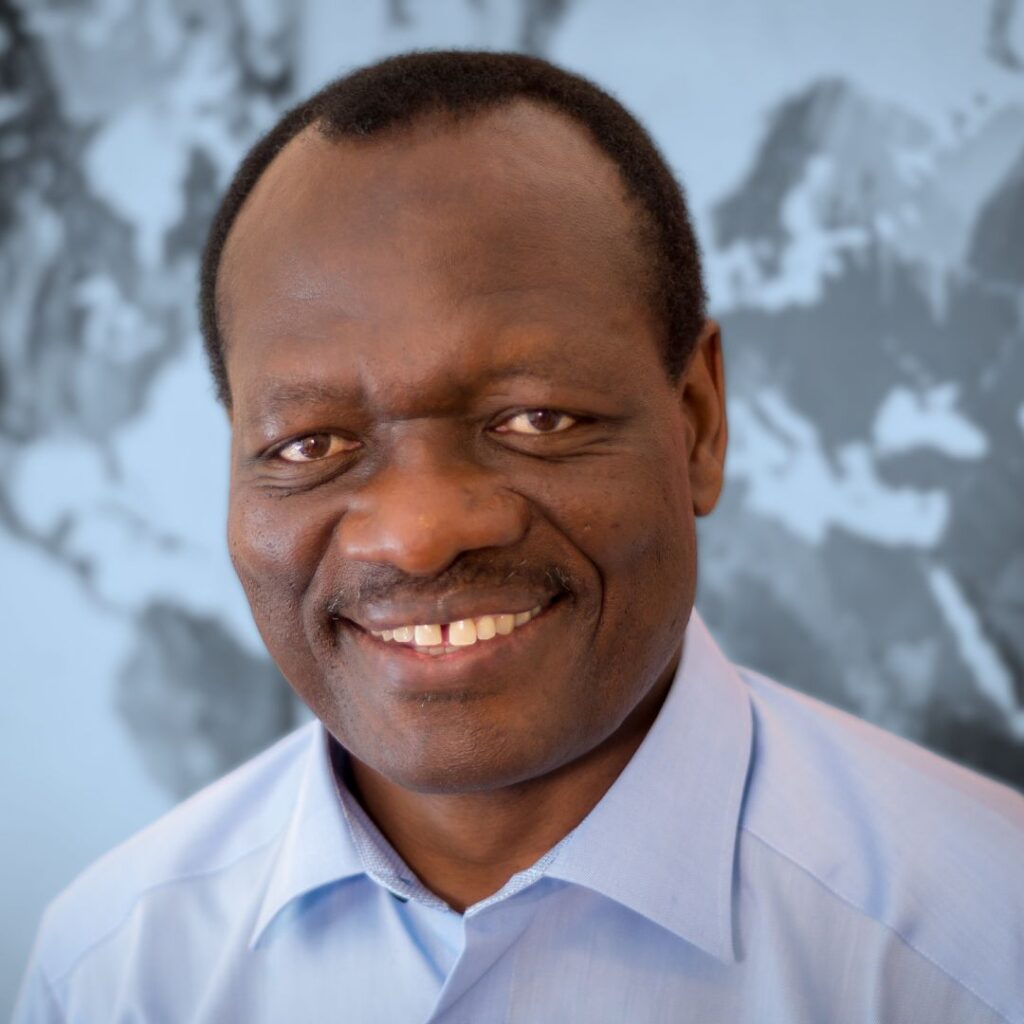
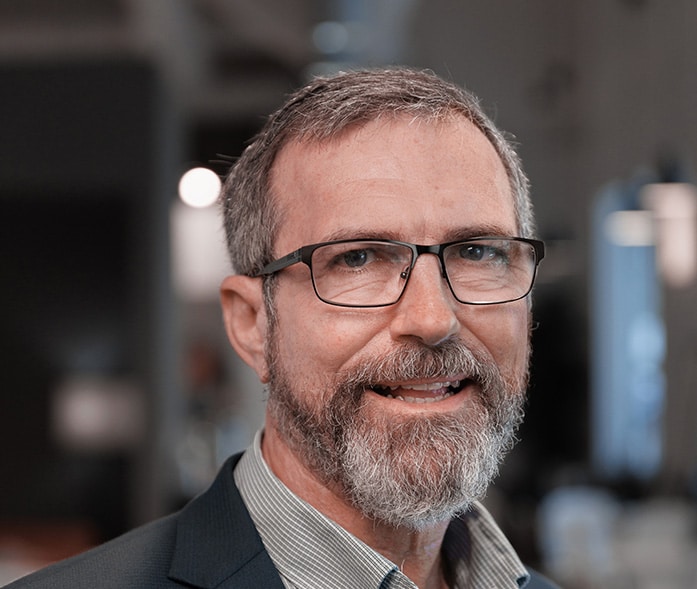
Reverend Tobias Owelo works for Bible Translation and Literacy (BTL) East Africa, an organization we partner with to increase Scripture access in Kenya, South Sudan, and Tanzania. In response to the claim that the majority of Kenyans are Christian, he explains, “When you look at the aspect of true Christianity where we say that a Christian is somebody who is born again and has accepted the Lord Jesus Christ, then you’ll come to realize that the percentages are low.” (Watch the full clip.)
That’s why Seed Company and BTL work together to make God’s Word accessible in every language that needs it. Because, as Tobias says, “when [people] interact with the Word of God in their language, transformation takes place. And this transformation is not only the spiritual part of it, but the transformation of a human being in totality.” It’s a kind of metamorphosis that changes lives holistically, reshaping how people interact with their families, coworkers, and communities.
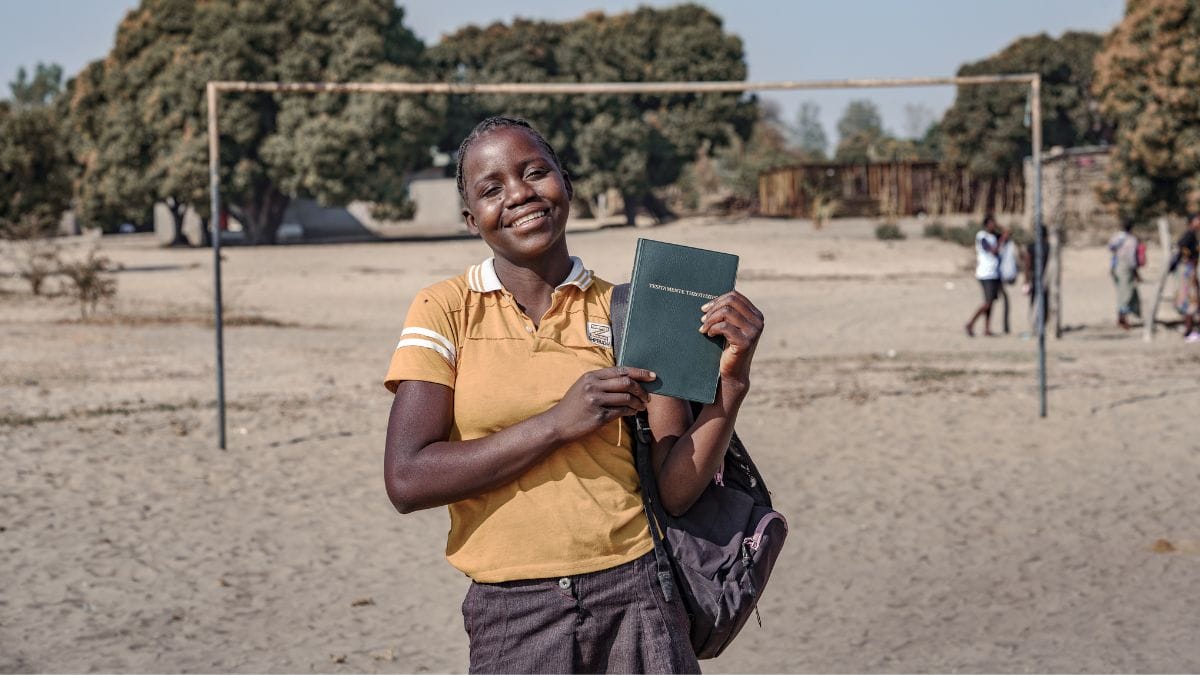
And across the entire continent of Africa, there are over 100 languages that don’t have a single verse. That represents about 3.5 million individuals who can’t even read Genesis 1:1, John 3:16, or Revelation 7:9. The pages of their Bible are blank.
Leaders in BTL are working with us toward Vision ASAP: our mission to get all Scripture to all people in this generation.
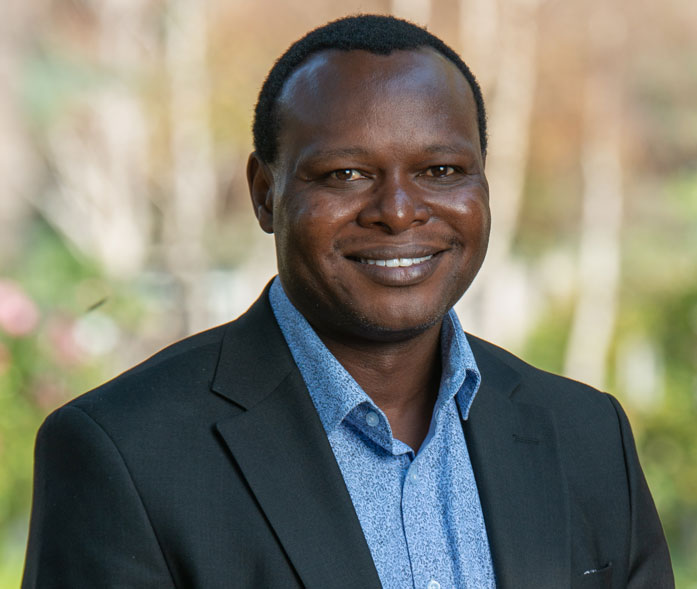
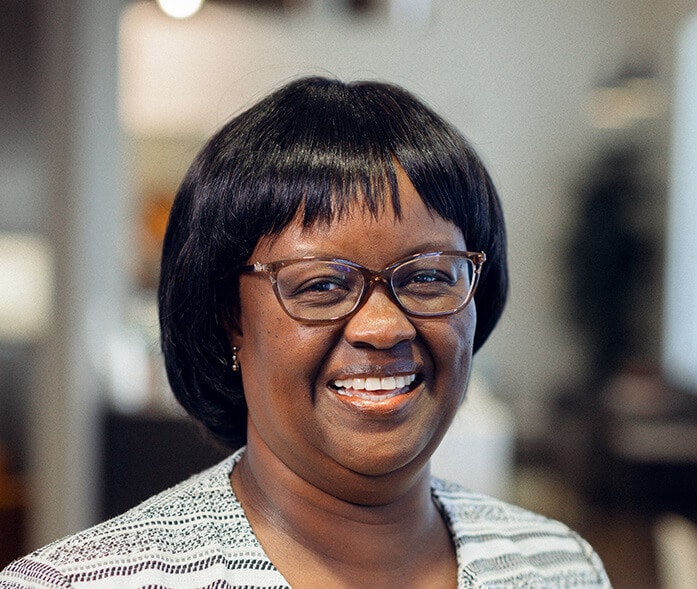
Caroline Kamau, BTL East Africa’s director for resource development, discusses the confusion communities face when they have only pieces of the Bible, not the whole:
“It’s like you’ve given us half a honeycomb. We need the entire beehive. So, you’ve given us just a taste of God’s Word; we need the entire counsel of God’s Word.” — Caroline Kamau
What are communities meant to do with incomplete Scripture? New Testament authors flooded their texts with references to the Old Testament, but many communities have no way to trace those key themes from Genesis to Revelation. They have only a piece of the map and can’t follow the path from beginning to end.
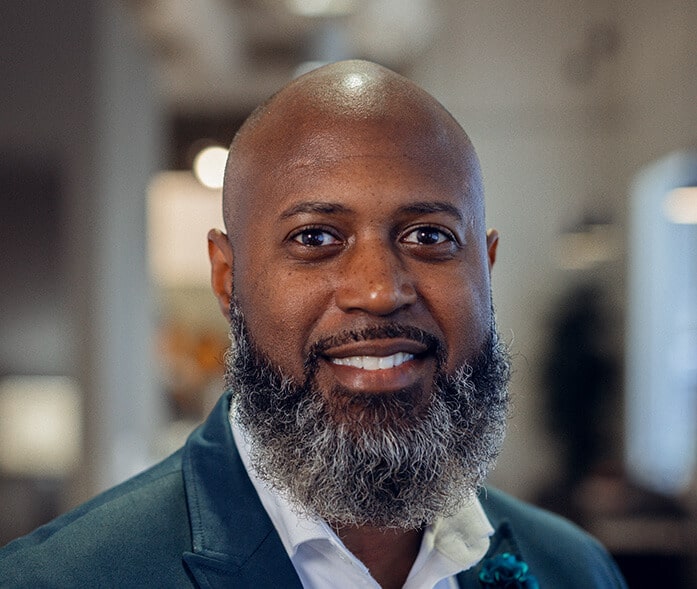
In light of this challenge, Samuel Kakui, executive director of BTL East Africa, poses an important question: How can pastors teach using only the New Testament?
The insights of Tobias, Caroline, and Samuel paint the reality of Vision ASAP in Kenya: already, but not yet. Because of the faithful work of translation teams, many communities in Kenya can already read the words of Jesus in the language they grew up speaking. But can all Kenyans access all Scripture like we can in the US? Not yet.
That need fuels us to continue the work of Bible translation in partnership with organizations like BTL until the day we see “a vast crowd, too great to count, from every nation and tribe and people and language, standing in front of the throne and before the Lamb” (Revelation 7:9 NLT).